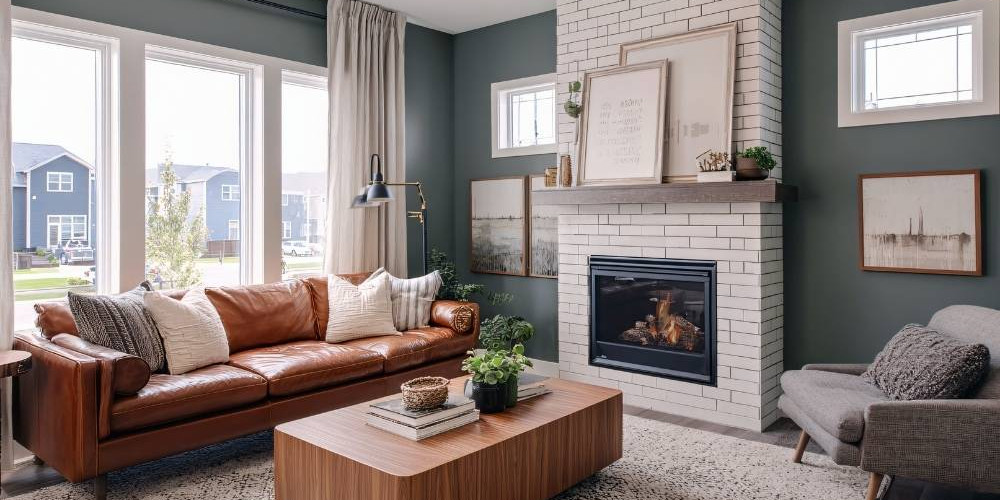
Mastering the Art of Small Space Living
In the modern world, especially in urban environments, space is often a luxury. However, at House Bello, we believe that the size of your home shouldn’t dictate the quality of your lifestyle. Our philosophy of ‘thoughtful spaces’ is most relevant when dealing with compact floor plans. Designing a small space requires a shift in perspective—moving away from what you can fit into a room and focusing instead on how the room can best serve you.
Creating a functional, stylish home in a small footprint is about more than just buying smaller furniture. It is about strategic planning, visual tricks, and a commitment to purposeful living. In this guide, we will explore practical design insights to help you turn a cramped apartment into an airy, efficient sanctuary.
1. Prioritize Multi-Functional Furniture
When every square foot counts, every piece of furniture must earn its keep. Multi-functional furniture is the cornerstone of small-space optimization. Instead of a traditional coffee table, consider a storage ottoman that can act as a footrest, extra seating, and a place to hide blankets or magazines. If you work from home but lack a dedicated office, a wall-mounted ‘cloffice’ (closet office) or a desk that doubles as a console table can provide the utility you need without the bulk.
The Power of Nesting and Folding
Nesting tables are a fantastic way to provide surface area for guests while being able to tuck away when you need floor space for yoga or cleaning. Similarly, drop-leaf dining tables allow you to host dinner parties but reclaim the walkway during your daily routine. Look for pieces with slim profiles and exposed legs; seeing the floor underneath furniture creates an illusion of more space.
2. Maximize Vertical Real Estate
One of the most common space planning mistakes is focusing solely on floor area. When you run out of horizontal space, look up. Your walls offer a vast amount of untapped potential for storage and decoration. Floor-to-ceiling shelving units not only provide ample storage but also draw the eye upward, making the ceilings feel higher than they actually are.
Floating Shelves and Hanging Storage
Floating shelves are a minimalist’s best friend. They provide storage without the visual weight of a heavy bookcase. In the kitchen, consider hanging pots and pans from a ceiling rack or using magnetic strips for knives. In the entryway, a vertical coat rack or a series of hooks can keep clutter off the floor, maintaining a clear path and a sense of order.
3. Use Light and Color to Expand Boundaries
Color psychology plays a massive role in how we perceive space. As we’ve discussed in our previous insights on simplicity, a neutral color palette is often the best choice for small environments. Light shades like off-white, soft grey, and pale beige reflect more light, making a room feel open and airy.
The Strategic Use of Mirrors
Mirrors are perhaps the oldest trick in the interior designer’s book, and for good reason. A large mirror placed opposite a window will bounce natural light throughout the room and create a ‘window’ effect that adds depth. For maximum impact, consider a full-length leaning mirror or a gallery wall of smaller mirrors to break up a solid wall and add visual interest without clutter.
4. Define Zones Without Using Walls
In studio apartments or open-concept layouts, the lack of defined rooms can lead to a chaotic feeling where the bedroom bleeds into the kitchen. Instead of building walls that block light and flow, use ‘soft’ zoning techniques to define different areas of the home.
- Area Rugs: Use a rug to anchor the living room seating area and a different one to define the dining space.
- Lighting: Dedicated lighting, such as a pendant over the dining table and a floor lamp by the sofa, creates distinct ‘moods’ for different activities.
- Furniture Placement: Backing a sofa against the foot of a bed or using a low bookshelf as a divider can create a physical boundary without closing off the room.
5. Practice Mindful Decluttering
No amount of clever design can compensate for excessive clutter. In a small space, even a few misplaced items can make the environment feel overwhelming. Adopt a ‘one in, one out’ rule to ensure your belongings don’t exceed your storage capacity. Storage should be intentional—use decorative baskets and bins to hide necessities while keeping frequently used items within easy reach.
5 Quick Wins for Small Rooms
- Swap heavy curtains for sheer linens to let in more natural light.
- Use clear acrylic or glass furniture (like ‘ghost’ chairs) to reduce visual bulk.
- Paint your baseboards the same color as your walls to elongate the vertical plane.
- Choose a large area rug rather than several small ones to avoid a ‘choppy’ look.
- Opt for wall-mounted sconces instead of bulky table lamps to save surface space.
Conclusion: Creating a Balanced Environment
Optimizing a small space is a journey toward more intentional living. By focusing on functionality, verticality, and light, you can create a home that feels expansive regardless of its square footage. Remember that the goal is to create a space that supports your daily life without causing stress. At House Bello, we encourage you to embrace the constraints of small-space living as an opportunity for creative, thoughtful design. With these practical insights, your compact home can become a testament to the idea that less truly can be more.