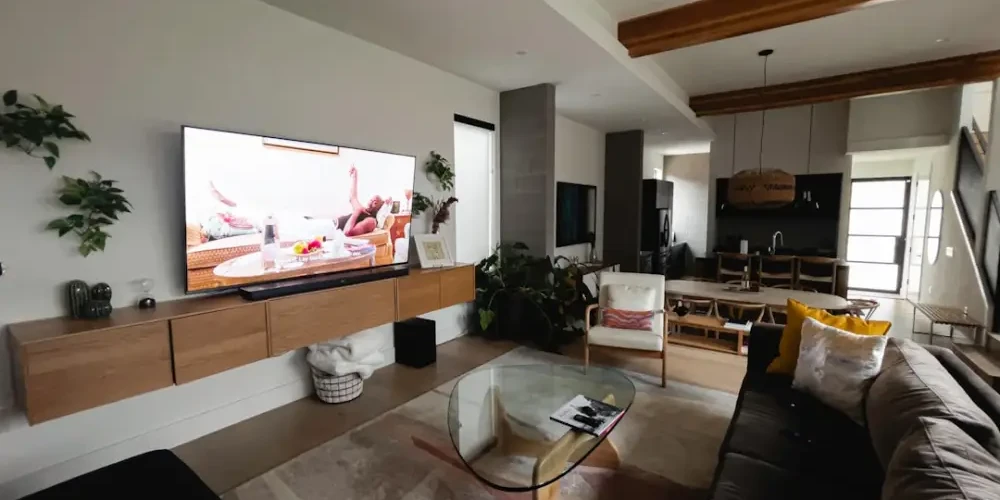
The Connection Between Nature and Well-being
In modern interior design, we often focus on the latest trends, color palettes, or furniture styles. However, one of the most significant shifts in how we approach our homes involves a concept called biophilic design. At its core, biophilia is the innate human instinct to connect with nature and other living beings. When we bring elements of the outdoors inside, we aren’t just decorating; we are fundamentally changing the psychological and physiological environment of our homes.
Research consistently shows that spending time in nature lowers cortisol levels, reduces blood pressure, and improves heart rate variability. Since most of us spend upwards of 90% of our time indoors, the challenge becomes: how do we replicate those outdoor benefits within our four walls? Bringing nature inside isn’t about turning your living room into a jungle; it’s about thoughtful, practical integrations that foster a sense of calm and clarity.
The Science of Why Nature Changes Our Mood
When you walk through a forest or sit by the ocean, your brain enters a state called ‘soft fascination.’ Unlike the ‘hard fascination’ required to navigate a busy city street or a complex spreadsheet, nature allows our directed attention to rest. This restorative process is essential for mental health and cognitive function.
Incorporating natural elements into your home triggers similar responses. By reducing visual noise and introducing organic patterns—known as fractals—you create an environment that supports focus and emotional regulation. This is why a room with a view of trees or even a collection of well-placed houseplants feels more ‘breathable’ than a stark, windowless office.
Practical Ways to Incorporate Nature into Your Home
You don’t need a massive renovation to reap the rewards of biophilic design. Here are several actionable ways to bridge the gap between your indoor space and the natural world.
1. Maximize Natural Light and Airflow
Light is the most critical natural element in any home. It regulates our circadian rhythms, which dictate our sleep patterns and energy levels. To make the most of what you have:
- Keep windows clear: Avoid heavy, dark drapery. Instead, use sheer linens or light-filtering shades that allow sunlight to penetrate deep into the room.
- Use mirrors strategically: Place a mirror opposite a window to bounce natural light into darker corners, instantly making the space feel more open.
- Ventilate daily: Even in winter, cracking a window for ten minutes can clear out stagnant air and introduce the scent and sound of the outdoors, which grounds our senses.
2. Introduce Strategic Greenery
Plants are the most literal way to bring nature inside. Beyond their air-purifying qualities, they provide a visual connection to growth and seasonality. If you don’t have a green thumb, start with low-maintenance varieties that offer high visual impact:
- Snake Plants: These are nearly indestructible and excellent for air purification in bedrooms.
- Pothos: A trailing vine that grows quickly, providing that ‘wild’ nature feel with very little effort.
- Zamioculcas Zamiifolia (ZZ Plant): Perfect for low-light areas where other plants might struggle.
3. Incorporate Natural Materials and Textures
Our sense of touch is often overlooked in interior design. Replacing synthetic materials with organic ones can change the ‘temperature’ of a room. Natural materials carry a tactile history that plastic and laminate simply cannot replicate.
- Wood: Whether it’s a reclaimed wood dining table or simple oak shelving, the grain patterns of wood provide the ‘fractal’ geometry that relaxes the human brain.
- Stone: Use marble, slate, or terracotta in your kitchen or bathroom. These materials feel cool to the touch and ground the space.
- Natural Fibers: Swap synthetic rugs for jute, wool, or sisal. Use linen or cotton for upholstery and bedding to create a soft, breathable atmosphere.
Using Color to Mimic the Outdoors
Color psychology plays a massive role in how we feel. To create a nature-inspired sanctuary, look to the ‘earthy’ side of the spectrum. This doesn’t mean your home has to be entirely brown or green, but rather that you should choose tones found in the natural landscape.
Soft sage greens can lower heart rates, while deep ochres and terracottas provide a sense of security and warmth. Sky blues and soft greys can make a small room feel more expansive, mimicking the horizon. When choosing paint or accents, ask yourself: ‘Would I see this color during a walk in the woods or at the beach?’ If the answer is yes, it’s likely to have a grounding effect on your space.
Small Rituals for a Nature-Connected Home
Finally, biophilic design is as much about habits as it is about decor. At House Bello, we believe the architecture of habit is what truly makes a home functional. You can enhance your connection to nature through small, daily rituals:
- Seasonal Foraging: Instead of buying plastic decor, bring in a branch of autumn leaves, a bowl of pinecones, or a vase of wildflowers.
- Soundscapes: If you live in a noisy city, use a sound machine or app to play soft rain or forest sounds to mask traffic noise.
- View Management: Arrange your furniture so that your primary seating (like your favorite reading chair or your desk) faces a window rather than a wall.
Conclusion: A Home That Breathes
Bringing nature inside is a practical investment in your mental health. By focusing on light, organic materials, and living greenery, you create a space that does more than just look good—it actively supports your well-being. Start small: clear a window, buy one hardy plant, or swap a synthetic throw for a wool one. Over time, these small changes transform your home into a restorative sanctuary that helps you feel grounded, focused, and at peace.