

Most poorly functioning spaces fail for one reason: weak planning decisions made early and left uncorrected. Space planning is not about filling rooms—it’s about aligning layout, movement, and purpose. When mistakes occur, they reduce comfort, efficiency, and long-term usability.
This guide breaks down the most common space planning errors and explains how to avoid them.
Mistake 1: Designing Without a Clear Purpose
Every space must serve a defined function. Planning without identifying how a room will be used leads to layouts that feel awkward and inefficient.
Common symptoms:
- Furniture that blocks movement
- Rooms that feel underutilized
- Confusing layouts
How to avoid it:
Define primary and secondary uses before placing anything. Function comes first.
Mistake 2: Ignoring Circulation and Flow
Poor circulation disrupts how people move through a space.
Issues include:
- Narrow walkways
- Furniture placed in natural paths
- Doors that collide with furniture
How to avoid it:
Map movement paths early and maintain clear circulation zones. Flow should feel effortless.
Mistake 3: Choosing Furniture Before Measuring
Oversized or undersized furniture is one of the most common planning failures.
Problems caused:
- Crowded rooms
- Imbalanced proportions
- Limited flexibility
How to avoid it:
Measure the space first, then select furniture that fits the scale—not the trend.
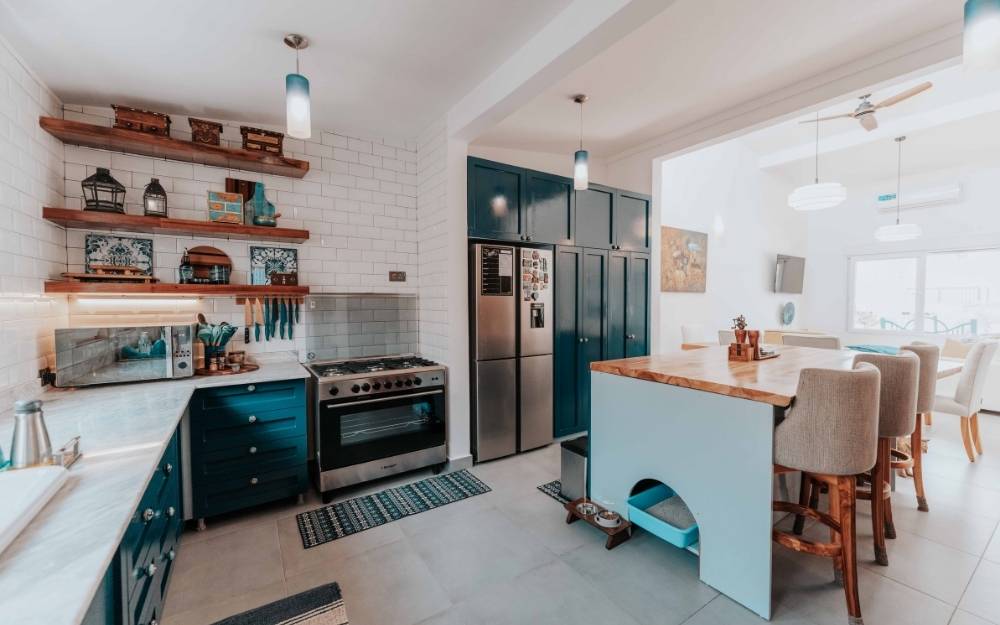
Mistake 4: Overloading a Space With Too Many Functions
Multi-purpose rooms are useful—but only when planned properly.
Typical mistakes:
- Trying to do too much in limited space
- No visual or functional zoning
- Competing layouts
How to avoid it:
Assign clear zones using layout, lighting, or furniture orientation. One space can support multiple uses—without confusion.
Mistake 5: Poor Storage Planning
Lack of storage leads to clutter, which immediately disrupts balance.
Consequences include:
- Visual chaos
- Reduced usability
- Constant reorganization
How to avoid it:
Integrate storage early. Built-ins and hidden storage maintain clarity without consuming space.
Mistake 6: Ignoring Light and Sightlines
Space planning isn’t just about furniture placement—it’s about how the space feels.
Common oversights:
- Blocking natural light
- Creating visual barriers
- Poor focal point alignment
How to avoid it:
Preserve light paths and consider what users see when entering a room.
Mistake 7: Designing for Today Only
Short-term planning leads to long-term frustration.
Issues include:
- Lack of adaptability
- Limited future use
- Costly redesigns
How to avoid it:
Plan with flexibility in mind. Spaces should evolve without major structural changes.
Why Avoiding These Mistakes Matters
Effective space planning delivers:
- Better comfort and usability
- Clear visual balance
- Improved movement and flow
- Long-term value
Good planning is invisible—but its absence is obvious.
Final Thought
Space planning is not about filling rooms—it’s about shaping experience. Most mistakes come from rushing decisions or ignoring how people actually use space. When function, flow, and flexibility guide planning, environments become intuitive, comfortable, and enduring.
Good spaces are designed intentionally, not accidentally.
Related Posts
5 Small Space Design Tips for a Functional, Stylish Home
Learn how to optimize small spaces with…