

A well-designed living space is not defined by aesthetics alone. True quality emerges when form supports function—when every element serves a purpose, improves flow, and enhances daily life. Functional design is intentional, measured, and human-centric.
This article outlines the core design principles that transform living spaces into practical, comfortable, and enduring environments.
1. Purpose-Driven Layouts
Every space should have a clearly defined role.
Poor layouts force users to adapt to the room. Functional layouts adapt to how people live, move, and interact.
Best practices:
- Define primary and secondary functions per room
- Avoid wasted circulation space
- Design furniture placement before finalizing structure
Function begins with planning, not decoration.
2. Efficient Use of Space
More space does not equal better space.
Functional homes maximize usability without overcrowding. Thoughtful proportions and intelligent zoning outperform oversized, undefined rooms.
Key considerations:
- Use built-in storage to reduce clutter
- Apply multi-functional furniture
- Maintain visual openness without sacrificing utility
Efficiency creates comfort.
3. Flow and Movement
A functional home moves naturally.
Poor flow disrupts daily routines and creates friction between spaces. Strong spatial flow improves accessibility, safety, and overall experience.
How to improve flow:
- Minimize obstructions in high-traffic areas
- Align doorways and pathways logically
- Maintain consistent transitions between rooms
Movement should feel effortless.
4. Natural Light and Ventilation
Light and air directly influence functionality.
Well-lit, ventilated spaces improve mood, productivity, and energy efficiency. Poor lighting compromises usability regardless of style.
Design priorities:
- Maximize window placement for daylight
- Use layered lighting for flexibility
- Ensure cross-ventilation where possible
Function is sensory, not just spatial.
5. Smart Storage Integration
Clutter undermines functionality.
Storage should be integrated, not added as an afterthought. The best solutions disappear visually while remaining easily accessible.
Effective storage strategies:
- Vertical storage to optimize footprint
- Hidden compartments in furniture
- Zone-based storage aligned with daily use
Order enhances efficiency.
6. Material Selection Based on Use
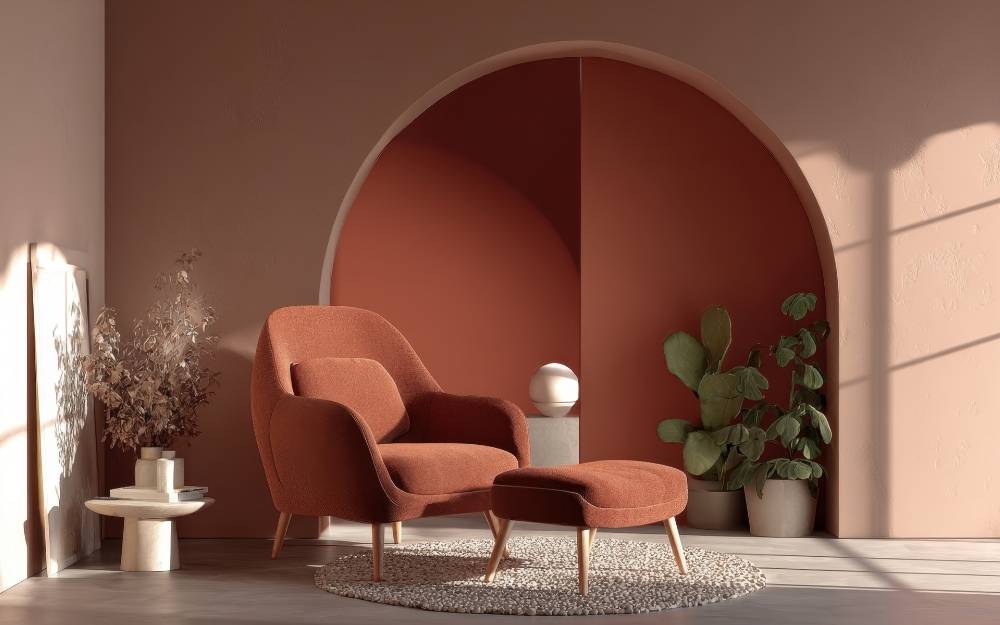
Materials must match function, not trends.
High-traffic areas require durability. Moisture-exposed spaces demand resistance. Visual appeal alone leads to premature wear and poor performance.
Design with intention:
- Choose materials based on longevity
- Prioritize easy maintenance
- Balance tactile comfort with durability
Practical materials age better.
7. Adaptability Over Time
Functional design anticipates change.
Homes should support evolving lifestyles, not lock users into rigid layouts.
Ways to future-proof spaces:
- Modular furniture systems
- Flexible room definitions
- Infrastructure that supports upgrades
Adaptability is modern luxury.
Why Functional Design Matters
When design prioritizes function:
- Daily routines become easier
- Spaces feel calmer and more intuitive
- Maintenance costs decrease
- Long-term satisfaction increases
Good design removes friction from everyday life.
Final Thought
Functional living spaces are not accidental—they are designed with clarity, restraint, and purpose. By focusing on layout, flow, light, materials, and adaptability, homeowners create environments that work quietly and consistently in the background.
Function is what makes a space livable. Design simply makes it visible.
Related Posts
5 Small Space Design Tips for a Functional, Stylish Home
Learn how to optimize small spaces with…