
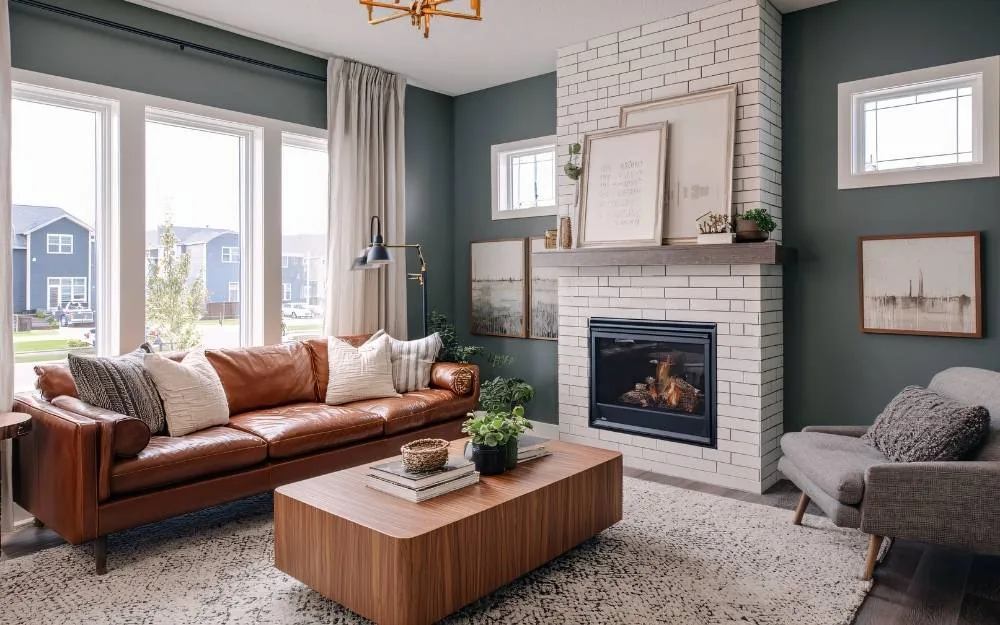
Part of our Compact and practical spaces guide.
Most poorly functioning spaces fail for one reason: weak planning decisions made early and left uncorrected. Space planning is not about filling rooms—it’s about aligning layout, movement, and purpose. When mistakes occur, they reduce comfort, efficiency, and long-term usability. This guide breaks down the most common space planning errors and explains how to avoid them.Mistake 1: Designing Without a Clear Purpose
Every space must serve a defined function. Planning without identifying how a room will be used leads to layouts that feel awkward and inefficient. Common symptoms:- Furniture that blocks movement
- Rooms that feel underutilized
- Confusing layouts
Mistake 2: Ignoring Circulation and Flow
Poor circulation disrupts how people move through a space. Issues include:- Narrow walkways
- Furniture placed in natural paths
- Doors that collide with furniture
Mistake 3: Choosing Furniture Before Measuring
Oversized or undersized furniture is one of the most common planning failures. Problems caused:- Crowded rooms
- Imbalanced proportions
- Limited flexibility
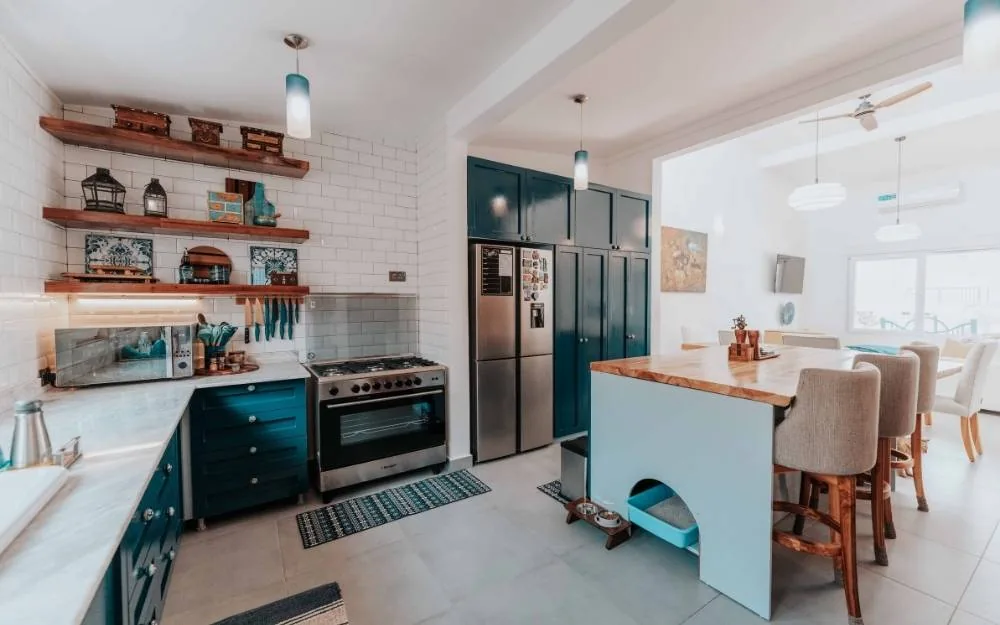
Mistake 4: Overloading a Space With Too Many Functions
Multi-purpose rooms are useful—but only when planned properly. Typical mistakes:- Trying to do too much in limited space
- No visual or functional zoning
- Competing layouts
Mistake 5: Poor Storage Planning
Lack of storage leads to clutter, which immediately disrupts balance. Consequences include:- Visual chaos
- Reduced usability
- Constant reorganization
Mistake 6: Ignoring Light and Sightlines
Space planning isn’t just about furniture placement—it’s about how the space feels. Common oversights:- Blocking natural light
- Creating visual barriers
- Poor focal point alignment
Mistake 7: Designing for Today Only
Short-term planning leads to long-term frustration. Issues include:- Lack of adaptability
- Limited future use
- Costly redesigns
Why Avoiding These Mistakes Matters
Effective space planning delivers:- Better comfort and usability
- Clear visual balance
- Improved movement and flow
- Long-term value